
W2C wishes to inform its clients, particularly Canadian manufacturers and exporters who act as non-resident importers of record into the United States, about sweeping changes to the Section 232 tariff regime on metals, announced on April 2, 2026. These changes fundamentally restructure how additional tariffs (aka surtaxes) on steel, aluminum, and copper products are calculated, assessed, and administered, and will have a direct and, in many cases, significant impact on the cost of exporting goods into the U.S. market.
The U.S. President has issued the following Proclamation, effective April 6, 2026:
Annexes to the Proclamation (Annexes I-A, I-B, II, III, and IV)
U.S. Customs and Border Protection (CBP) has issued the following implementation guidance:
Metals HTS List to CSMS #68253075
Note: Please keep in mind that the implementation of additional tariffs and valuation guidelines on goods imported into the USA remains a fluid situation. The information below represents the most up-to-date details that W2C has at its disposal as of April 9, 2026.
What changed—and what it means for your costs
1. The biggest change: Duties now apply to the full customs value
This is the change that will hit hardest. Effective April 6, 2026, Section 232 duties apply to the full customs value of subject aluminum, steel, and copper articles and their derivatives, regardless of metal content.
What this replaces: Under the prior regime, importers of derivative products (i.e., finished or semi-finished goods containing steel, aluminum, or copper alongside other materials) could split the customs value between the metal content portion (subject to Section 232 duties) and the non-metal component value. That methodology has been eliminated.
What this means in practice: If you are a Canadian manufacturer exporting a product to the U.S. that contains steel, aluminum, or copper as one component among several, and your product’s HTS classification falls within the scope of the new measures, the Section 232 duty is now assessed on the entire entered value of the article, not just the metal portion. This is true whether the article is 90% steel or 20% steel.
The net effect on most derivative products is a duty increase, even where the headline Section 232 rate has decreased. While the rate for most derivatives drops from 50% (on metal content only) to 25% (on full value), applying that 25% to the entire customs value will result in higher effective duties for most mixed-content goods. Only a smaller subset of derivative products with very high metal content percentages may see an effective decrease.
Example: A derivative article previously valued at $1,000 with 30% steel content ($300) would have been assessed at 50% × $300 = $150 in Section 232 duties. Under the new regime, the same article at 25% × $1,000 = $250, which would represent a 67% increase in the actual duty paid, despite the rate dropping from 50% to 25%.
2. New multi-tier rate structure—Know your annex
The Proclamation replaces the previous single-rate approach with a new five-annex system. Each annex carries different duty treatment, and a single importer’s product portfolio may now be split across multiple rate tiers. Canadian exporters must determine which annex applies to each of their products.
Annex I-A—50% on full customs value
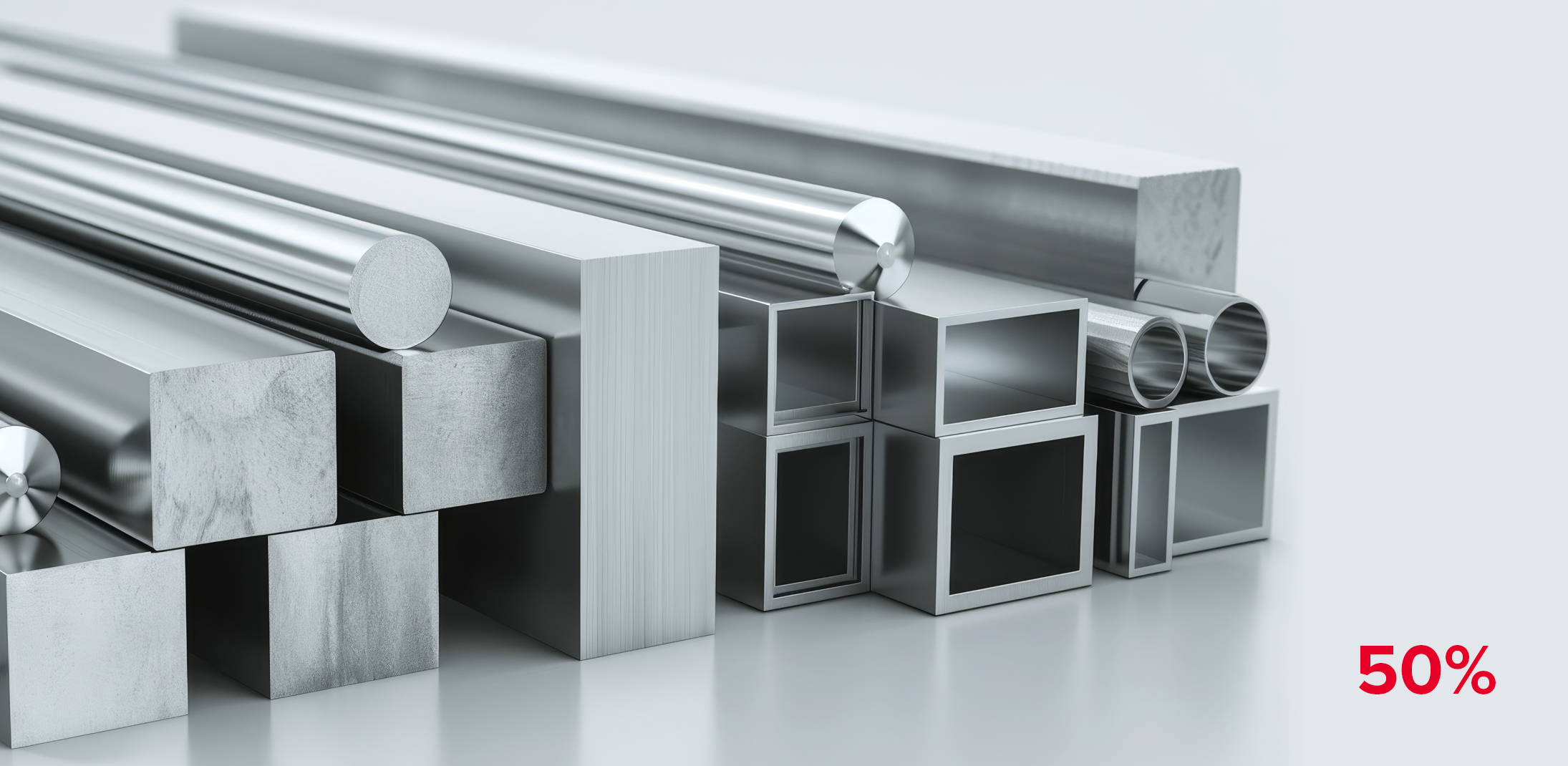
Covers primary metal articles and certain high-metal-content derivatives: steel mill products (generally HTSUS Chapters 72 and parts of 73), aluminum articles (Chapter 76), most copper articles (Chapter 74), and certain derivative articles that are made entirely or almost entirely of the subject metal. These products face 50% on their full customs value.
Annex I-B—25% on full customs value
Covers derivative articles of steel and aluminum and certain copper articles that contain significant but not predominant metal content. The broader category of mixed-content goods such as machinery, appliances, hardware, fasteners, electrical conductors, vehicles, railway equipment, trailers, and similar products. These face 25% on their full customs value.
Annex II—Removed from Section 232 scope
Certain derivative articles have been removed entirely from the Section 232 tariff scope. If your product’s HS code is listed in Annex II, that is a cost reduction. Check Annex II (pages 29–39 of the Annexes document) carefully. Note that unless otherwise excepted, products removed from the scope of Section 232 tariffs may still be subject to the global 10% Section 122 tariff currently in effect until July 24, 2026. In addition, USMCA originating goods are presently exempted from Section 122 tariffs.
Annex III—Transitional reduced rates (Until December 31, 2027)
Certain metal-intensive industrial equipment and electrical grid equipment benefit from a temporarily reduced rate. The mechanics are as follows:
-
If the product’s Column 1 (MFN) Duty Rate is below 15%, the Section 232 duty tops up the total to 15% (i.e., Section 232 fills the gap between the MFN rate and 15%).
-
If the Column 1 rate is already at or above 15%, no additional Section 232 duty is imposed during the transitional period.
-
For articles made entirely * with U.S.-origin metals, which can be proven to have melted and poured or smelted and cast in the United States, the floor is 10% rather than 15%.
For purposes of this Proclamation, “entirely” means 95% (see section further below U.S.-Origin Metal Rate).
This is a meaningful cost reduction for qualifying products, but it is temporary. On January 1, 2028, all Annex III products revert to the standard Annex I-B rates (25% general). The administration also reserves the right to revoke the transitional benefit for any trading partner at any time.
Annex IV—The 15% metal-weight threshold
For articles classified outside HTSUS Chapters 72, 73, 74, and 76, Section 232 tariffs do not apply if the aggregate weight of the applicable metal(s) is less than 15% of the total weight of the imported article. This is an all-or-nothing gate. If the aggregate metal weight meets or exceeds 15%, the entire customs value is subject to Section 232 duties. There is no partial relief.
Per CSMS #68253075, which metals to include in the 15% calculation depends on the article’s specific HTSUS classification as identified in Annex IV. For example, since HTSUS 8302.10.60 is identified in Annex IV as both a derivative aluminum article and a derivative steel article, the aggregate weight of both aluminum and steel (but not copper) must be included. You would not, however, include the weight of a metal that Annex IV does not specify for your classification.
Products classified within Chapters 72, 73, 74, and 76 are not eligible for this exemption. Products of these chapters are subject to Section 232 duties on their full customs value regardless.
3. Simplified rule: No stacking between the three metal regimes
One genuinely simpler rule: if your product contains more than one of the three subject metals (e.g., both steel and aluminum, or steel and copper), the Section 232 duty applies only once. The three metal regimes do not stack upon each other.
However, Section 232 duties will continue to stack with all other applicable duties, such as Regular Column 1 duty rates, MPF, HMF, Section 122 tariffs, Section 301 tariffs, as well as antidumping and countervailing duties where applicable.
4. Another simplified rule: No more metal content value splitting

While the full customs value methodology increases costs for most derivative products, it does simplify the calculation. Importers no longer need to determine and break out the separate value of the metal content within a derivative article. The Section 232 duty is simply the applicable rate multiplied by the full entered value. The complex metal content apportionment methodology that previously applied to derivatives has been eliminated.
That said, do not discard your prior calculation methodologies just yet! You may still need your content calculations if your past entries are selected for review or audit by U.S. CBP.
Specific provisions relevant to Canadian exporters
Drawback—now available for Canadian-origin metals (narrow conditions)
This is a notable change from the February 2025 regime, which provided no drawback whatsoever on Section 232 duties. The April 2026 Proclamation reintroduces Manufacturing Drawback eligibility, and Canada qualifies as a Trade Agreement Partner.
Manufacturing Drawback under 19 U.S.C. § 1313(a)–(b) is available only when all four of the following conditions are met:
- The article is classified under Annex I-B or Annex III (Annex I-A products are not eligible);
- The article is not subject to an antidumping or countervailing duty order (regardless of origin);
- The article is a product of a Trade Agreement Partner, which includes Canada, along with the United Kingdom, the European Union, Japan, the Republic of Korea, and Mexico; and
- The metal content was entirely processed in a Trade Agreement Partner country (smelted and cast for aluminum and copper; melted and poured for steel).
For Canadian manufacturers using Canadian-smelted aluminum or Canadian-melted steel in derivative products classified under Annex I-B or Annex III, this could represent a meaningful offset. However, given the strict conditions, particularly the AD/CVD exclusion and the requirement that metal processing be entirely within Trade Agreement Partner countries, eligibility should be verified on a product-by-product basis.
No other drawback claims are available for Section 232 duties.
U.S.-Origin metal rate—10% for products made with American metal
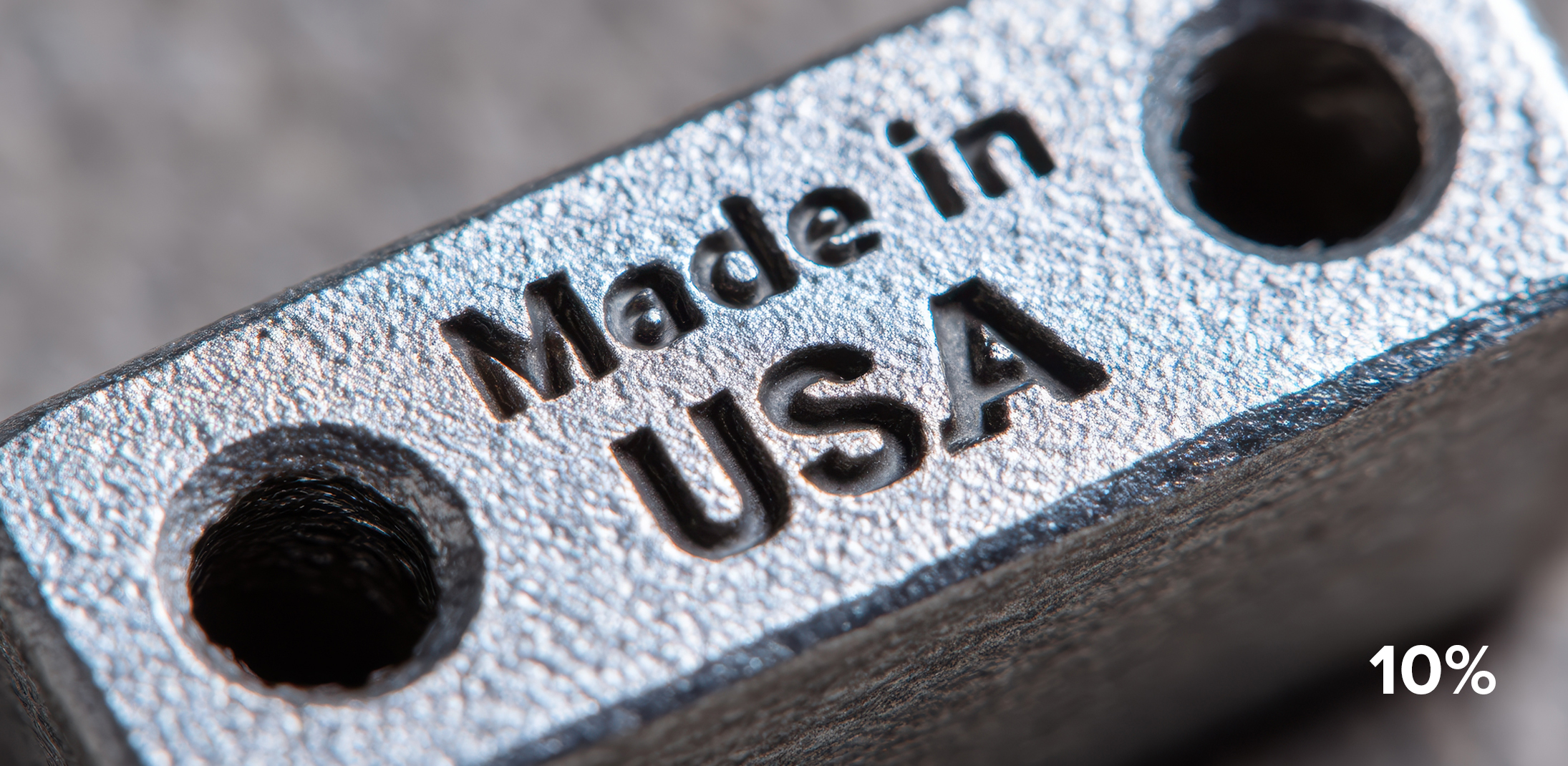
If your manufacturing process uses steel that was melted and poured in the U.S., aluminum that was smelted and cast in the U.S., or copper that was smelted and cast in the U.S., the applicable Section 232 rate drops to 10% on full customs value, regardless of whether the product falls under Annex I-A or Annex I-B. Under the prior regime, derivative articles made entirely with U.S.-origin metals were fully exempt from Section 232 duties. The previous full exemption has been replaced with the 10% rate.
Per Annex IV to the Proclamation, at least 95% of the applicable metal content used in your product must have been processed in the United States to qualify.
For Canadian manufacturers sourcing metal from U.S. mills or smelters, this 10% rate is more favorable than the general 50% or 25% rates. But it is no longer duty-free.
Copper—Now fully integrated in the regime
Copper was first brought into Section 232 in July 2025. This Proclamation fully integrates copper articles and copper derivative articles into the unified tariff structure, applying the same full customs value basis and multi-tier rate schedule as aluminum and steel.
CBP will issue a separate CSMS to announce when country of smelt and cast reporting for copper will be required in Automated Clearinghouse (ACH). Currently, the copper classifications subject to this future reporting requirement are limited to: HTSUS 8544.42.10, 8544.42.20, 8544.42.90, and 8544.49.10. In the meantime, continue to report countries of melt and pour for steel products and countries of smelt and cast for aluminum products, per existing CBP guidance.
Russia—Punitive rates preserved
Russian-origin aluminum and aluminum derivatives remain subject to 200% ad valorem duties. This applies where any quantity of primary aluminum used in manufacture is smelted or cast in Russia. Canadian manufacturers should ensure their aluminum supply chains have no Russian-origin content. Russian-origin steel and certain copper articles face separate rates of 10% to 50% under HTSUS headings 9903.82.14 through 9903.82.17.
United Kingdom—Preferential rates (not applicable to Canada)
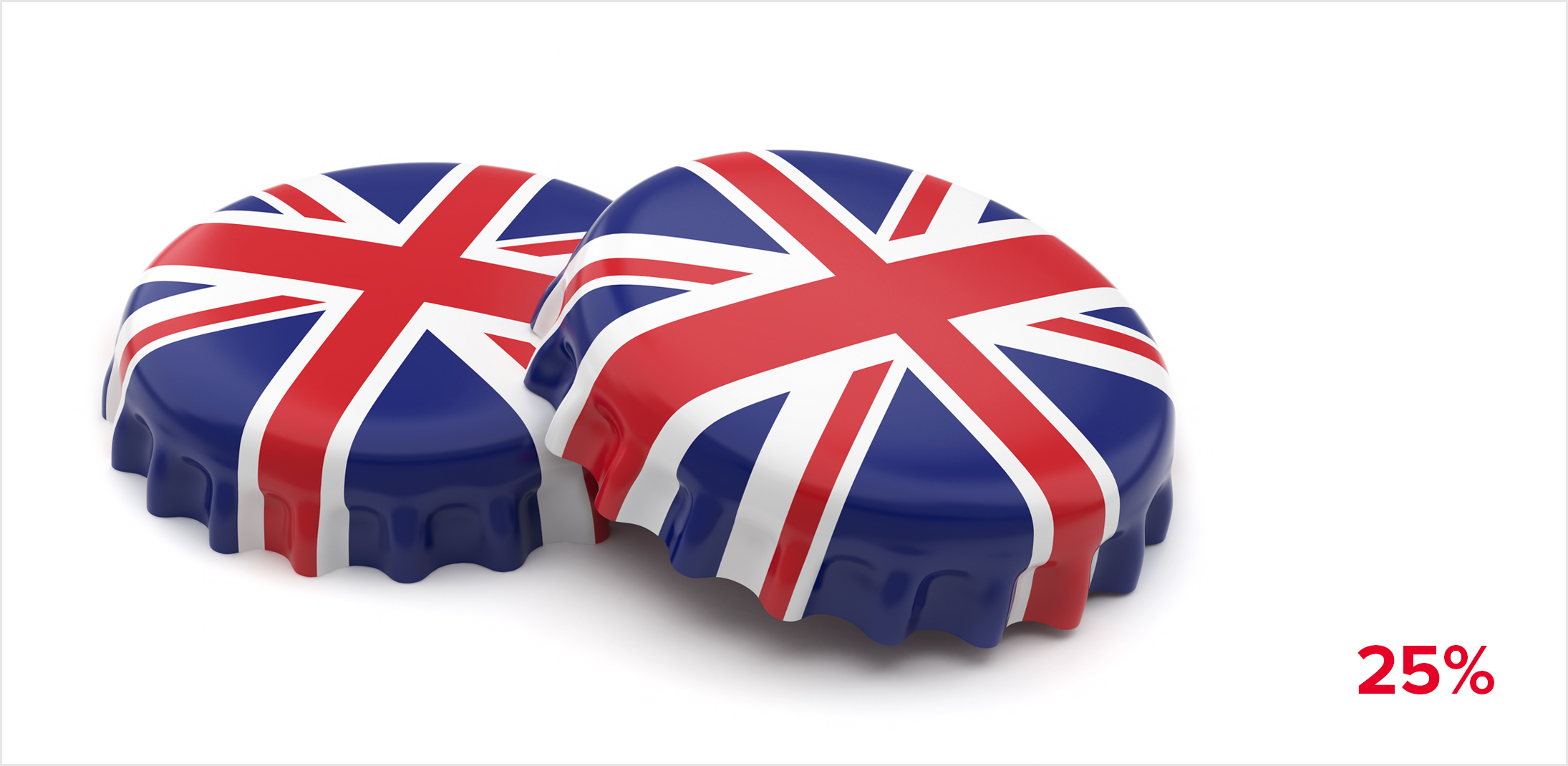
UK-origin aluminum and steel products receive reduced rates (25% for Annex I-A; 15% for Annex I-B) subject to strict metal origin requirements (at least 95% of the metal smelted/cast or melted/poured in the UK). These preferences do not extend to Canada or other countries.
Civil aircraft agreements preserved
The Proclamation does not alter or supersede prior agreements with the UK, EU, Japan, or Korea regarding Section 232 tariffs on articles falling under the WTO Agreement on Trade in Civil Aircraft. Canadian manufacturers supplying civil aircraft components under these arrangements should see no change.
Operational changes that affect entry filing
Chapter 98 and Chapter 99 Provisions: Goods entered under Chapter 98 provisions remain eligible, except that duties under subheading 9802.00.60 are assessed on the full value of the imported article. No claim for duty exemption or reduction is allowed under any Chapter 99 provision that sets a lower rate or provides duty-free treatment. AD/CVD and other charges continue to apply.
Termination of the derivatives inclusion process
The formal petition process for adding new derivative articles to the Section 232 scope has been terminated. The Secretary of Commerce and U.S. Trade Representative now hold joint authority to add products without a formal petition, public comment period, or prescribed timeline. Notably, metal containers can now be included even if filled with non-covered items. Canadian exporters should monitor Federal Register notices closely, as the scope of covered products may expand at any time.
No transit exception
The Proclamation provides no exception for goods already in transit to the United States. Goods entered for consumption, or withdrawn from warehouse for consumption, on or after 12:01 a.m. EDT on April 6, 2026, are subject to the new regime regardless of when they were shipped.
| Product Category | General Rate | UK Rate | U.S.-Origin Metal Rate |
|---|---|---|---|
Aluminum & steel articles; most copper articles; certain high-metal derivatives (Annex I-A) |
50 % |
25 % |
10 % |
Certain copper articles & aluminum/steel derivatives (Annex I-B) |
25 % |
15 % |
10 % |
Certain derivatives—transitional (Annex III, until Dec 31, 2027) |
15% floor (Column 1 + Section 232 = 15%; no additional 232 duty if Column 1 ≥ 15%) |
10% floor |
10% floor |
Products removed from scope (Annex II) |
0% (Section 232 no longer applies) |
— |
— |
Russian aluminum articles |
200 % |
— |
— |
Russian steel / certain copper articles |
10–50 % |
All rates apply to the full customs value of the imported article, regardless of metal content.
Drawback available only for Annex I-B and Annex III products meeting all four conditions (see above). No drawback for Annex I-A.
Bond and payment considerations
Given the potential for significantly increased duty liabilities under the new regime, Canadian exporters acting as non-resident importers of record should be aware of the following:
Bond sufficiency: CBP may increase the prescribed bond amount for importers whose duty outlays have risen materially. Non-resident importers should verify their continuous bond levels are adequate and anticipate requests for bond increases.
Pre-payment of duties: U.S.-licensed customs brokers may require that importers pay duties and tariffs before customs clearance of subject goods. This requirement could result in delays and additional administrative costs at the border.
ACH registration: To facilitate payment and avoid clearance bottlenecks, W2C strongly recommends that all clients who act as importer of record into the USA register with CBP for the Automated Clearinghouse (ACH) payment option. ACH is a pre-authorized debit that allows importers to pay customs duties and tariffs electronically. Registration is a straightforward process.
Immediate action items for Canadian exporters
- Run each SKU you ship to the U.S. through the new annex lists. Open the Metals HTS List attached to CSMS #68253075 and cross-reference every HTS code you currently export against the Chapter 99 headings (9903.82.02 through 9903.82.17). A product that was previously subject to a 50% duty on its metal content may now sit in a different tier or may have been dropped from scope altogether under Annex II. Until you complete this exercise, you cannot quote accurate landed pricing to your U.S. customers.
- Re-price your U.S.-bound shipments now. The old duty calculation (rate X metal content value) is gone. The new calculation is rate X total customs value, which for most mixed-content goods will produce a materially higher duty number even at the lower 25% rate. Pull a representative sample of your recent entry summaries, apply the new methodology, and compare the results to what you have been paying. That delta is what your margins (or your U.S. customers’ costs) need to absorb.
- Weigh your products—literally! If any of your derivative products are classified outside HTSUS Chapters 72–76 and you believe the metal content is low, obtain the actual aggregate weight of the applicable metal(s) as a percentage of total product weight. If it falls below 15%, you have a complete exemption. If it is at or above 15%, there is no partial relief. Be sure to include only the metals that Annex IV specifies for your HTS classification; CBP guidance gives the example of HTSUS 8302.10.60, where both aluminum and steel weight must be counted, but copper weight is excluded.
- Trace your metal back to the smelter or mill. Canadian manufacturers who purchase aluminum smelted and cast in Canada, or steel melted and poured in Canada, should document this thoroughly as Canada’s status as a Trade Agreement Partner is directly relevant to drawback eligibility and potentially to future preferential treatment. Separately, if you source metal from U.S. smelters or mills, determine whether at least 95% of the applicable metal used in your product was made in the U.S., as this could reduce your rate to 10%.
- Test each product against the four drawback conditions. Manufacturing drawback is back, but only (i) for Annex I-B and Annex III products, (ii) only if the product is not subject to any AD/CVD order, (iii) only if it is a product of a Trade Agreement Partner (which includes Canada), and (iv) only if the metal was entirely processed in a Trade Agreement Partner country. Walk each product through all four gates before assuming any drawback recovery is feasible.
- Talk to your customs broker about bond capacity and payment terms. Higher duty assessments will likely trigger bond sufficiency reviews from CBP. Non-resident importers face the added risk that their brokers may begin requiring duty pre-payment before releasing goods, creating a cash flow issue that can stall shipments at the border. If you have not yet registered for CBP’s ACH electronic payment system, do so immediately.
- Do not purge your old valuation workpapers. The metal content apportionment calculations that applied under the prior regime are still needed should your entries be selected for review or audit by U.S. CBP who can audit you up to 5 years retroactive. Keep those records accessible.
- Set up a Federal Register watch. The formal petition process for adding new derivative products to Section 232 scope is gone. Commerce and USTR now have open-ended authority to add products at any time, with no public comment period and no advance notice beyond a Federal Register publication. If you export goods with significant metal content that are not currently covered, they could be added tomorrow. Staying ahead of this requires active monitoring.
For updates on the evolving tariff situation or if you would like more information or assistance, do not hesitate to contact your W2C representative.


